international structuring
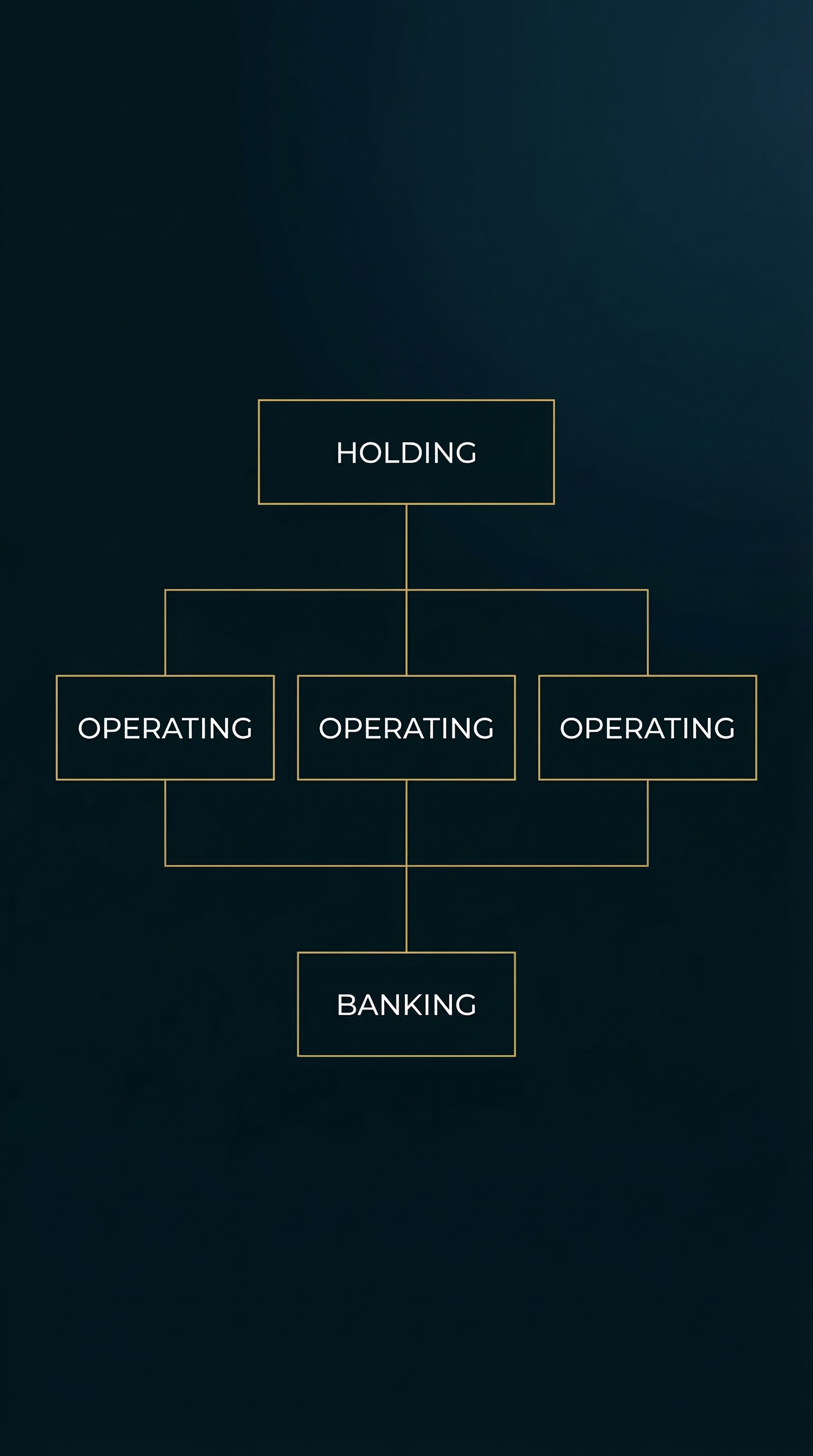
International structuring is not a matter of incorporation
It is a matter of architecture.
Cross-border corporate structures designed for entrepreneurs, investors and internationally active operators.
Jurisdiction Is a Structural Decision
International corporate structuring is not defined by geography.
It is defined by architectural coherence across jurisdictions.
We design multi-jurisdiction corporate frameworks that may include entities in the United States, Europe, Asia, the Middle East and selected offshore environments — when structurally appropriate.
Jurisdiction selection is never driven by trends or convenience.
It is determined by regulatory alignment, operational exposure, tax positioning and long-term governance considerations.
Each engagement begins with structural analysis.
We evaluate:
• Operational footprint
• Revenue origin and counterparties
• Regulatory exposure
• Banking feasibility
• Substance requirements
• Governance structure
• Exit considerations
Only after structural assessment do we determine which jurisdictions are appropriate.
Structures are designed according to the operational architecture of the business and may involve multiple jurisdictions when required.
Jurisdictions are instruments.
Structure is the objective.
We do not provide isolated incorporation services without structural review.
International incorporation without architecture creates exposure.
Our mandate is design, not paperwork.
Structure determines outcome.
The operating model
Most advisory models optimise for volume. This one is built against it.
Nine conventions of the corporate-services industry — and how the model departs from each. Select a block to turn it.
Refusal is part of the model, not an exception to it. We do not provide isolated incorporation without structural review. Every no protects the architecture the yeses are built on.
Operational presence — United States · United Arab Emirates · Asia-Pacific · Europe
How We Design Structures
International corporate structures cannot be standardized.
They must be desigend.
Each engagement begins with structural analysis aimed at understanding how the business operates across jurisdictions, financial systems and regulatory environments.
Our role is to design corporate architectures capable of supporting international operations with long-term stability.
Structure is therefore developed through a structured analytical process.
01
Structural Analysis
Every engagement begins with an in-depth evaluation of the operational and regulatory environment in which the business operates.
This phase focuses on identifying operational exposure, revenue flows, counterparties and regulatory interfaces across jurisdictions.
The objective is to understand how the business interacts with multiple legal and financial systems.
02
Jurisdictional Alignment
Once the operational architecture is understood, jurisdictions are evaluated based on regulatory compatibility, governance requirements and long-term structural coherence.
Jurisdiction selection is therefore a consequence of structural design, not its starting point.
03
Financial and Banking Architecture
International structures must remain compatible with real-world banking environments.
Banking feasibility, payment infrastructure and financial coordination are integrated into the structural design from the outset.
04
Governance and Long-Term Stability
Corporate architecture must remain sustainable over time.
Governance clarity, ownership structure and long-term operational continuity are therefore embedded in the design process.
When Structuring Becomes Necessary
Not every business requires international structuring.
However, as operations expand across jurisdictions, corporate architecture becomes increasingly important.
When companies interact with multiple legal systems, financial infrastructures and regulatory environments, structural coherence becomes necessary.
It ensures operational clarity and long-term stability.
International structuring is therefore not driven by jurisdictional preference, but by operational reality.
Structure becomes necessary when the business itself becomes international.
Fratton Global
International advisory platform specializing in cross-border corporate structuring and regulatory infrastructure.
operational presence
United States · Herndon
United Arab Emirates · Dubai
Asia-Pacific · Singapore
Europe · Milan
Copyright © 2026. Fratton Global Advisory. All rights reserved.